
Using a Home Equity Loan for Roof Replacement: Rates, Requirements, and Strategy
A leaking or decaying roof is one of the most pressing home repairs you can face. Beyond the immediate risk of water damage to ceiling drywall, framing, and insulation, a compromised roof degrades your property value quickly. However, full roof replacements rarely come cheap. Depending on materials, pitch, and square footage, a new roof typically ranges from $8,000 to over $25,000.
When contractor quotes land on your desk, finding the right financing strategy becomes just as important as choosing the right roofing material. High-interest credit cards or unsecured personal loans often strain monthly budgets with steep double-digit interest rates. You need a payment method that keeps monthly overhead manageable while funding the work upfront.
Related posts
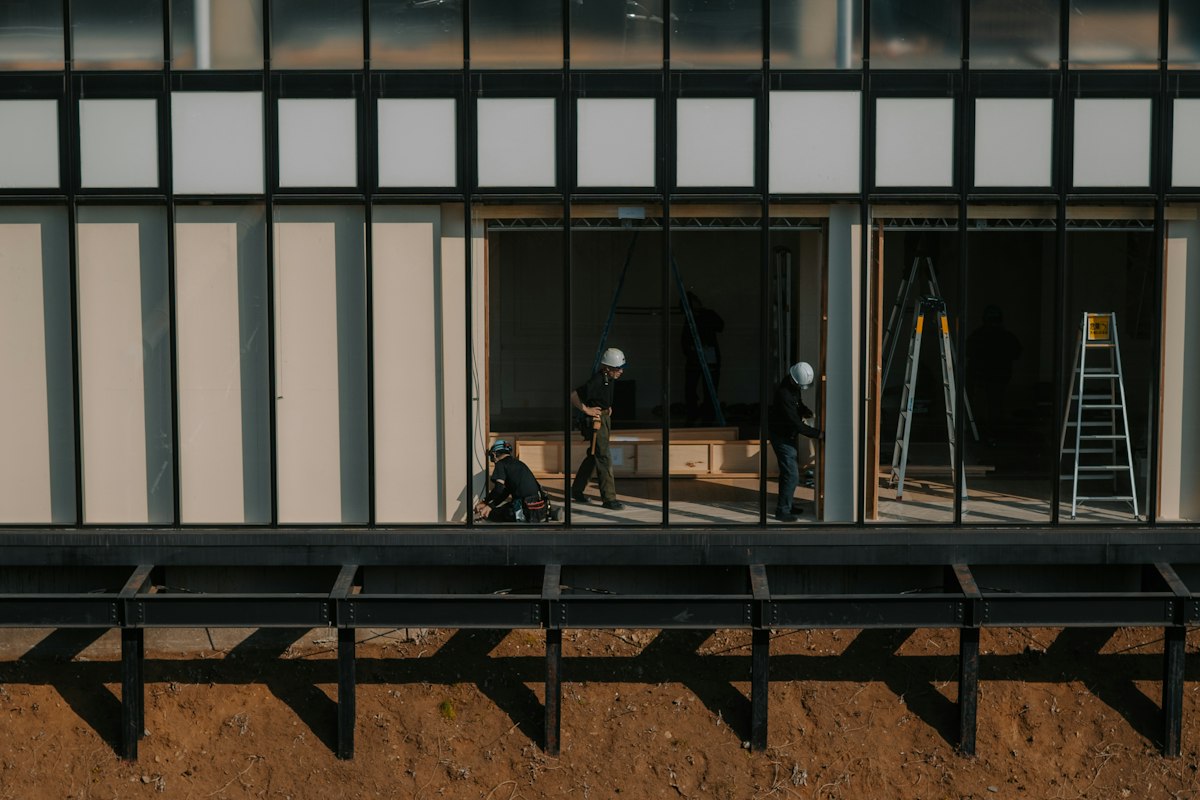
Estimating the Expense: What It Really Costs to Add a Room to Your House
The desire for more space is universal. Maybe your family is growing, or you need a dedicated home...
Read more →
Decoding Hardwood Floor Refinishing Costs: What Every Homeowner Needs to Know
Your beautiful hardwood floors are a significant part of your home's character, but time, traffic, and everyday life...
Read more →
Precision Execution in Luxury Kitchen Cabinet Installation
Installing high-end cabinetry requires far more than basic woodworking tools and standard fasteners. When investing in custom walnut...
Read more →Finding Reliable Foundation Repair Contractors Near Me
Noticing a new crack in your drywall or a door that suddenly refuses to latch can be an...
Read more →Tapping into your property value through a home equity loan offers a structured, cost-effective financing solution. By borrowing against the equity built up in your property, you gain access to competitive fixed rates and stable monthly payments tailored for major capital improvements.
Key takeaways
- Fixed-rate stability: Home equity loans provide a predictable fixed interest rate and fixed monthly payment throughout the loan lifespan.
- Lower interest rates: Secured by your property, these loans typically carry significantly lower rates than high-interest credit cards or personal loans.
- Potential tax advantages: Interest paid on home equity funds used substantially to improve your primary residence may be tax-deductible.
- Strict equity thresholds: Lenders usually require you to retain at least 15% to 20% equity in your home after borrowing.
How a Home Equity Loan Works for Roofing Projects
A home equity loan functions as a second mortgage. Your lender provides a lump-sum payout upfront, which aligns cleanly with how roofing contractors charge for materials and labor. You then pay back the balance over a fixed term—usually between five and twenty years—at a locked-in interest rate.
Because your property serves as collateral, lenders take on less risk compared to unsecured financing options. This security translates directly to lower borrowing rates for homeowners. If you need a complete roof teardown and replacement with asphalt shingles, metal panels, or slate, having the total cash amount ready allows you to secure contractor discounts and avoid project delays.
Unlike line-of-credit options, a fixed-rate equity loan protects your budget from sudden market rate hikes. You know your exact monthly commitment from day one until the final payment is made.
Borrowing Requirements and Equity Calculations
Qualifying for a home equity loan requires demonstrating sufficient ownership stake in your house alongside strong financial health. Lenders evaluate several specific metrics before approving funds for your roofing installation:
- Loan-to-Value (LTV) Ratio: Most financial institutions cap your combined loan-to-value (CLTV) ratio at 80% to 85%. This means your total mortgage debt plus the new loan cannot exceed 85% of your home's current appraised market value.
- Credit Score: A credit score of 620 is generally the minimum threshold, though scores above 700 secure the lowest interest rates and favorable loan terms.
- Debt-to-Income (DTI) Ratio: Lenders prefer a DTI ratio below 43%, ensuring your monthly debt obligations remain manageable alongside your living expenses.
- Verifiable Income: Tax returns, W-2 forms, and recent pay stubs confirm you possess stable cash flow to cover the second mortgage payments.
To calculate your usable equity, subtract your remaining mortgage balance from your property's total estimated market value. For instance, if your house appraises at $400,000 and you owe $250,000 on your primary mortgage, you possess $150,000 in raw equity. An 85% CLTV cap allows total debt up to $340,000, leaving up to $90,000 available to borrow.
Comparing Home Equity Loans to Alternative Financing
Choosing the right financing option requires looking at interest costs, payoff speed, and risk profiles across common funding sources.
Home Equity Line of Credit (HELOC)
A HELOC acts like a revolving credit card secured by your home. While it offers flexibility for multi-stage renovations, most HELOCs carry variable interest rates. If interest rates rise during your repayment phase, your monthly cost increases. A home equity loan is often preferable for roof replacements because roofing expenses are predictable, one-time costs best paired with fixed payments.
Unsecured Personal Loans
Personal loans offer fast funding and do not require placing your home as collateral. However, they carry higher interest rates and shorter repayment windows. Using a personal loan for a $20,000 roof installation can result in significantly higher monthly bills compared to a long-term home equity loan.
Roofing Contractor Financing
Many contractor companies offer in-house financing programs, sometimes featuring introductory zero-percent interest promotions. While appealing initially, these plans often carry hidden administrative fees or deferred interest clauses. If the balance is not cleared before the promo period ends, high interest applies retroactively to the original loan balance.
Closing Costs and Tax Considerations
Before closing on a home equity loan, account for upfront transaction fees. Similar to a primary mortgage, closing costs typically range between 2% and 5% of the total loan amount. These fees cover property appraisals, title searches, loan origination, and document recording. Factoring these expenses into your project budget ensures you request enough capital to cover both contractor quotes and loan processing.
Tax benefits represent another distinct advantage of using home equity for major home repairs. Under current tax rules, interest paid on home equity loans is often tax-deductible if the funds are spent exclusively to buy, build, or substantially improve the primary residence securing the loan. Replacing a worn-out roof qualifies as a capital improvement that extends the structural life of your property. Always consult a qualified tax professional to confirm your eligibility under current tax laws.
Frequently asked questions
Is interest on a home equity loan tax-deductible for roof replacement?
Yes, in many cases. The IRS allows tax deductions on home equity loan interest provided the funds are used to substantially improve the home that secures the loan. Installing a new roof meets this standard. Keep all contractor receipts, contracts, and payment records for tax filing purposes.
How long does it take to get a home equity loan for a roof?
The approval and disbursement timeline generally spans two to six weeks. The process includes credit evaluation, income verification, and a formal property appraisal. If your roof requires emergency repairs, communicate your timeline with lenders early or consider temporary tarping while processing completes.
What happens if I do not have enough equity for a home equity loan?
If your home equity falls short of lender requirements, look into government-backed options such as FHA Title I Property Improvement Loans. Alternatively, cash-out refinancing or personal home improvement loans can cover urgent roof work without requiring high existing equity.
Can I pay off my home equity loan early after the roof is completed?
Most modern lenders permit early payoff without penalty. However, review your loan agreement carefully for prepayment penalty clauses before signing. Paying down your balance early reduces overall interest costs over the life of the loan.
Conclusion
Using a home equity loan for a roof replacement balances affordability, fixed predictability, and long-term financial security. By locking in competitive interest rates and structured monthly payments, you protect your primary investment without draining emergency savings or taking on high-interest credit card debt. Take time to get multiple roofing estimates, evaluate your current equity balance, and compare lender terms to select the best loan structure for your home budget.