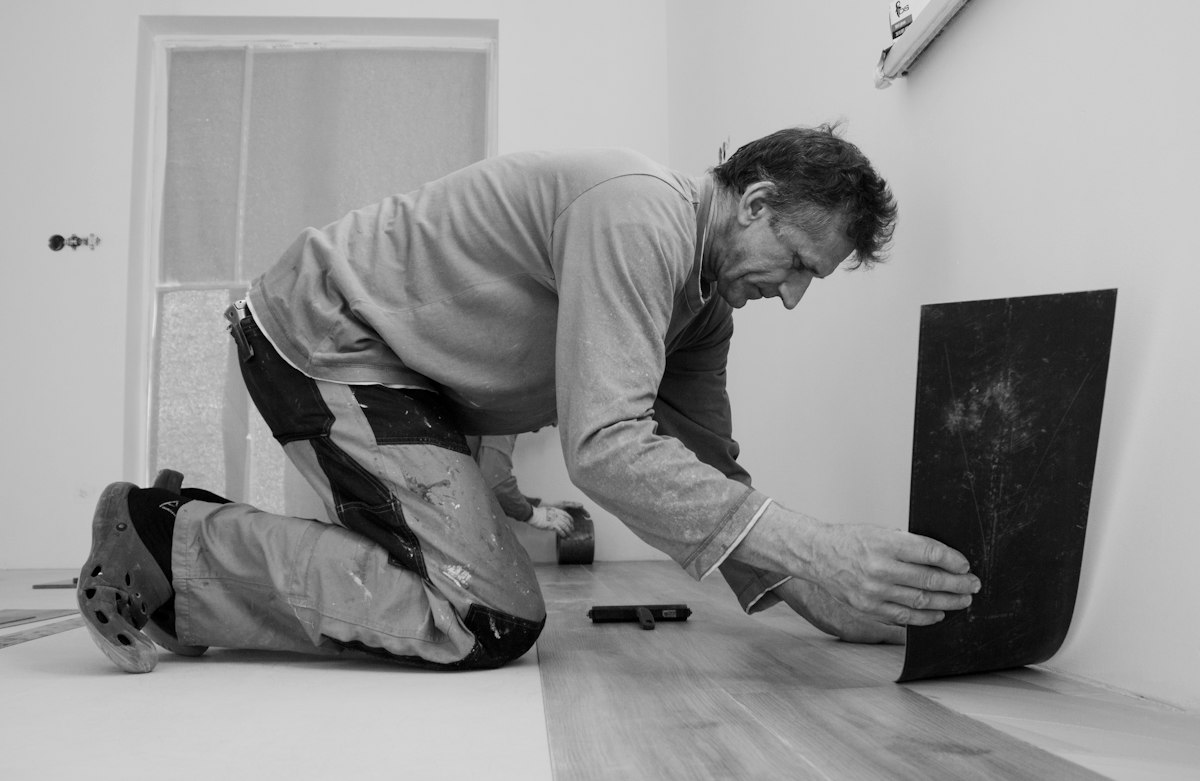
Decoding Hardwood Floor Refinishing Costs: What Every Homeowner Needs to Know
Your beautiful hardwood floors are a significant part of your home's character, but time, traffic, and everyday life can take their toll. Scratches, dullness, and worn-out areas aren't just cosmetic issues; they diminish your home's appeal and can even affect its value. When these signs appear, deciding to bring them back to life through refinishing is a smart move.
Refinishing restores your floors' original luster, protects the wood, and extends their lifespan, dramatically transforming your living space without the expense of a full replacement. However, understanding the financial commitment involved is often the first hurdle homeowners face. The cost isn't a simple, one-size-fits-all number.
Related posts
Estimating the Expense: What It Really Costs to Add a Room to Your House
The desire for more space is universal. Maybe your family is growing, or you need a dedicated home...
Read more →
Precision Execution in Luxury Kitchen Cabinet Installation
Installing high-end cabinetry requires far more than basic woodworking tools and standard fasteners. When investing in custom walnut...
Read more →Finding Reliable Foundation Repair Contractors Near Me
Noticing a new crack in your drywall or a door that suddenly refuses to latch can be an...
Read more →
Full House Remodeling Services: Transforming Your Property Inside and Out
Are you looking at outdated finishes, cramped room layouts, or aging fixtures in a home you otherwise love?...
Read more →This discussion will break down exactly what goes into the price of hardwood floor refinishing. We'll explore the key elements that affect your final bill, compare DIY options with professional services, and equip you with the right questions to ask when seeking quotes. By the end, you'll have a solid grasp of what to expect, ensuring your investment yields stunning results.
Key Takeaways
- Hardwood floor refinishing costs are highly variable, primarily dependent on square footage, the current condition of your floors, and the chosen finish.
- While a Do-It-Yourself approach can save money, it demands significant time, effort, and a specific skill set; professional services offer expertise and often a superior, lasting result.
- Always obtain multiple detailed quotes from reputable contractors, ensuring you understand exactly what services are included and what potential additional costs might arise.
- Consider refinishing an investment that enhances your home's aesthetic, protects its value, and provides many more years of durable, beautiful flooring.
What Drives Hardwood Floor Refinishing Costs?
Understanding the components that make up a refinishing estimate is the first step toward smart budgeting. Several core factors consistently influence the final price tag for bringing your floors back to life.
Square Footage: The Primary Factor
The size of the area being refinished is the most significant cost driver, with contractors typically pricing jobs by the square foot. While total cost rises with area, the per-square-foot rate might slightly decrease for very large projects. Accurate measurements are crucial.
Floor Condition: More Damage, More Dollars
The existing condition of your floors plays a major role. Deep scratches, significant water damage, or extensive wear might require more aggressive sanding or board replacements, increasing labor and material costs. Minor scuffs are generally less expensive to address.
Type of Finish and Wood
The choice of finish impacts both durability and price. Options like oil-based polyurethane are often durable and economical but yellow over time. Water-based polyurethane dries faster and maintains natural wood color, though it can be slightly more expensive. The wood type itself can also influence the delicate touch required during sanding.
Labor, Location, and Additional Services
Labor costs vary significantly by geographic location and contractor experience. Urban areas typically have higher rates. Beyond basic refinishing, additional services like moving furniture, repairing subfloors, or specialized dust containment systems will add to the overall bill. Always discuss all potential extra charges upfront for a clear estimate.
DIY vs. Professional Refinishing: A Cost Comparison
Many homeowners weigh the perceived savings of a DIY project against the benefits of hiring a professional. Both paths have distinct cost implications and trade-offs.
The DIY Route: Savings and Sweat Equity
Doing it yourself primarily involves paying for equipment rentals, sandpaper, stain, and finish – potentially a few hundred to over a thousand dollars. However, this route demands significant time, physical effort, and a steep learning curve. Mistakes, such as uneven sanding or improper finish application, can be costly and frustrating to correct, often leading to a less-than-professional result.
Hiring Professionals: Expertise and Peace of Mind
Engaging a professional service means investing in their skill, experience, and specialized equipment. While the upfront cost is higher, you're paying for a guaranteed result, efficiency, and a finish designed to last. Professionals understand wood types, proper techniques, and carry insurance, protecting you from liability. For most, the added expense is a worthwhile trade-off for a flawless, durable floor without the personal hassle.
Breaking Down the Refinishing Process and Its Impact on Price
The refinishing process itself is a series of steps, each contributing to the overall cost and final outcome.
Sanding: The Foundation of Renewal
This is the most labor-intensive part, involving heavy-duty sanders to remove old finish and imperfections. Multiple passes with progressively finer grits create a smooth surface. The extent of damage dictates the intensity and duration of sanding, directly impacting labor and material costs.
Staining and Finishing Coats
Applying a stain is optional but adds to material and labor costs if you wish to change or enhance your floor's color. Following this, multiple coats of protective finish are applied – typically three for durable protection. Each coat requires drying time and often light buffing, adding to the project's timeline and labor hours.
Getting Accurate Quotes: What to Ask and Look For
To ensure you receive a fair and comprehensive estimate, arm yourself with the right questions when contacting contractors.
- Detailed Breakdown: Request a line-item estimate for labor, materials, and any additional services.
- Experience and References: Ask about their business history and request references or a portfolio.
- Insurance and Licensing: Confirm the contractor is fully licensed and insured for your protection.
- Dust Control: Inquire about their dust containment methods to minimize home disruption.
- Warranty: Ask if they offer a warranty on their workmanship or materials.
Comparing at least three quotes allows you to evaluate not just the price, but also the scope of work and contractor professionalism.
Maximizing Your Investment: Longevity and Maintenance
Once your floors are beautifully refinished, protecting that investment becomes key. Proper maintenance ensures your newly restored floors stay stunning for years. Use appropriate cleaning products, avoid excessive moisture, and place rugs in high-traffic areas. Regular care will push back the need for future refinishing, making your initial cost even more worthwhile.
Frequently Asked Questions About Refinishing Costs
How often should hardwood floors be refinished?
Residential hardwood floors typically need refinishing every 10 to 20 years, depending on traffic and wear. Regular screening and recoating can extend this period, addressing minor surface dullness before a full refinish is needed.
Can all hardwood floors be refinished?
Most solid hardwood floors can be refinished multiple times due to their thick wear layer. Engineered hardwood can also be refinished, but the number of times depends on the thickness of its top veneer. Heavily damaged or very thin veneers might limit refinishing options.
What's the difference between refinishing and screening/recoating?
Refinishing involves sanding to bare wood, removing all old finish and imperfections, then applying new stain and finish. Screening and recoating is a lighter process that buffs the existing finish to rough it up, then applies a fresh top coat. It's for minor surface issues and is less expensive than a full refinish.
Is dust containment really worth the extra cost?
Yes, for many homeowners. Modern dustless or low-dust systems capture most wood particulate at the source, significantly reducing airborne dust throughout your home. This minimizes post-project cleanup and creates a healthier environment during the process.
Conclusion
Refinishing your hardwood floors is a rewarding project that breathes new life into your home. While costs vary, understanding the influencing factors—from square footage and floor condition to material choices and labor—empowers informed decisions. By gathering detailed quotes, asking the right questions, and weighing professional expertise, you can confidently embark on a project that enhances your home's beauty and value for years to come. Your floors are an investment; treat them to the care they deserve.