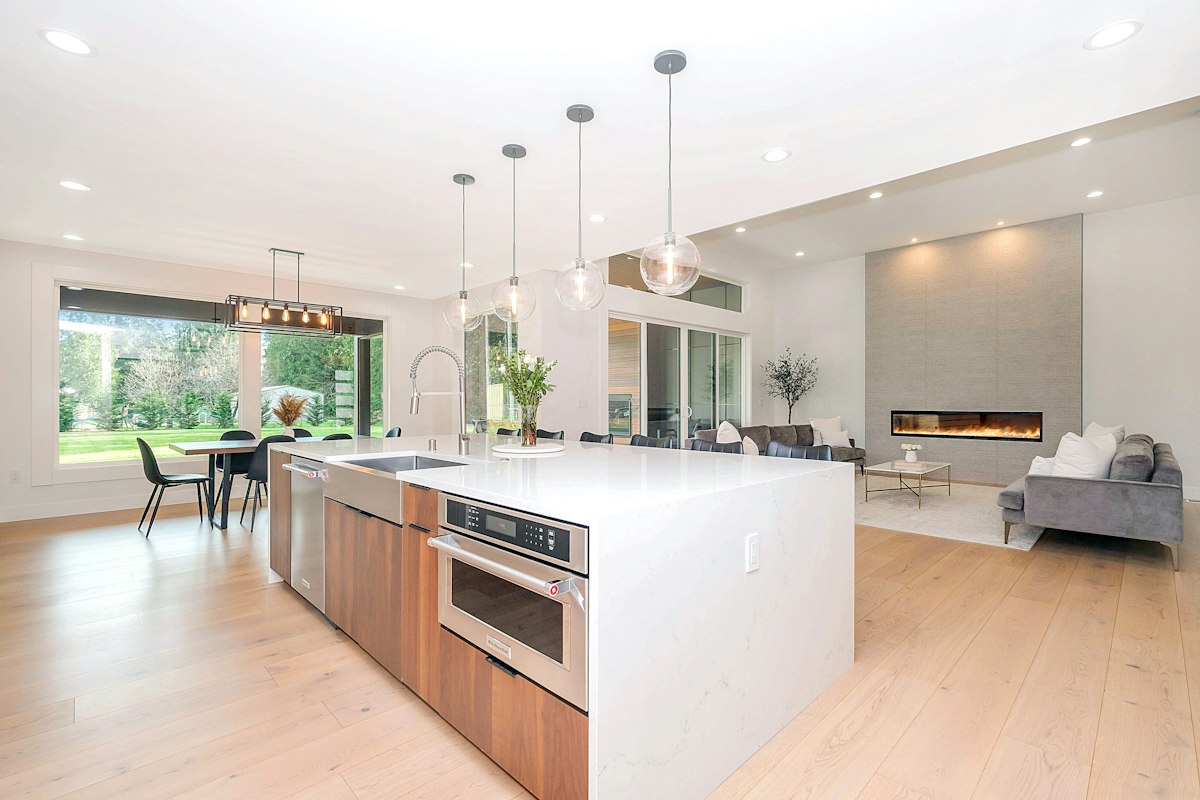
Full House Remodeling Services: Transforming Your Property Inside and Out
Are you looking at outdated finishes, cramped room layouts, or aging fixtures in a home you otherwise love? Buying a new house isn't always the best option, especially when you already like your neighborhood, school district, and property lines. Transforming your current space to fit modern living standards often yields better financial and lifestyle results.
Hiring professional full house remodeling services allows you to re-imagine every square foot of your property. Rather than hiring separate trade specialists for dozens of small, disconnected tasks, a comprehensive renovation team manages the entire process under one cohesive plan. This integrated approach saves time, controls costs, and keeps design elements consistent across every room.
Related posts
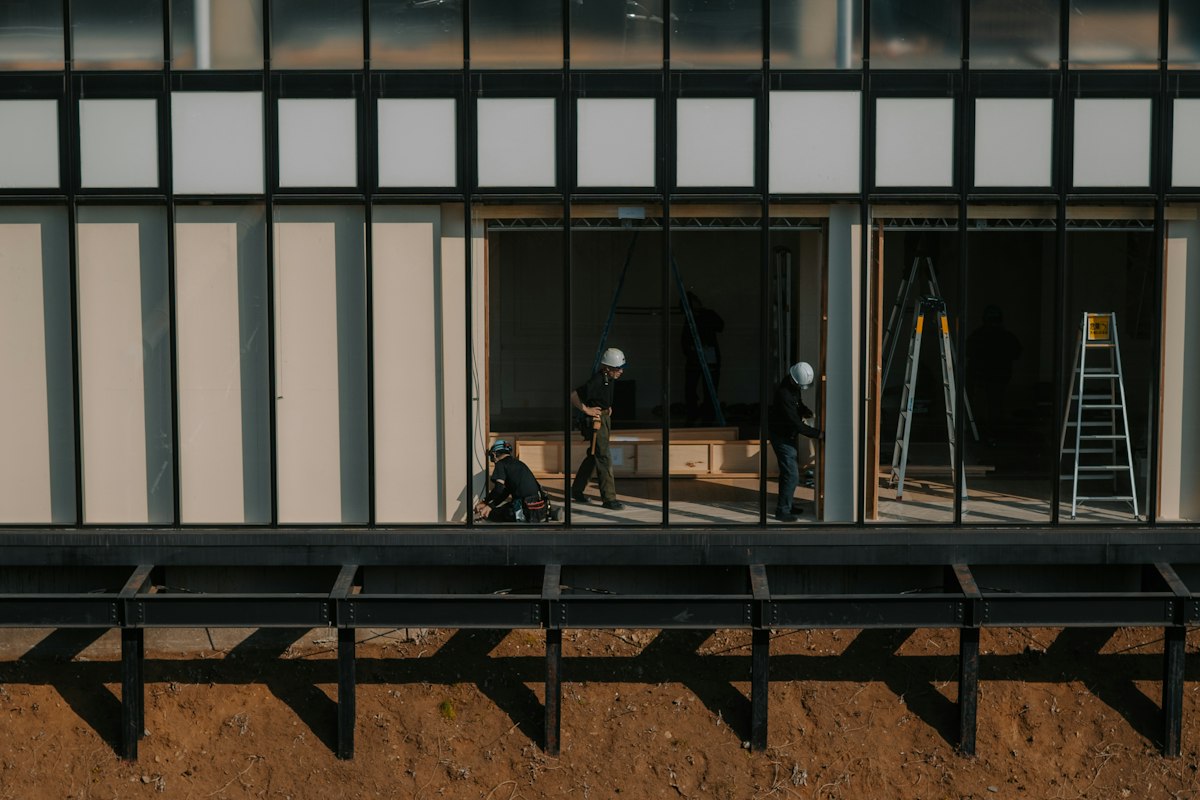
Estimating the Expense: What It Really Costs to Add a Room to Your House
The desire for more space is universal. Maybe your family is growing, or you need a dedicated home...
Read more →
Decoding Hardwood Floor Refinishing Costs: What Every Homeowner Needs to Know
Your beautiful hardwood floors are a significant part of your home's character, but time, traffic, and everyday life...
Read more →
Precision Execution in Luxury Kitchen Cabinet Installation
Installing high-end cabinetry requires far more than basic woodworking tools and standard fasteners. When investing in custom walnut...
Read more →Finding Reliable Foundation Repair Contractors Near Me
Noticing a new crack in your drywall or a door that suddenly refuses to latch can be an...
Read more →Before breaking ground or picking out materials, you need a clear understanding of how extensive renovations operate. From initial architectural planning and structural updates to final cosmetic touches, knowing what to expect helps you make smart decisions for your property.
Key takeaways
- Whole-home renovations integrate interior redesign, structural modifications, and mechanical system updates under a single contract.
- Setting aside a 15% to 20% contingency fund protects your budget against unexpected structural or electrical issues inside older walls.
- Design-build companies streamline communication by unifying project architecture and hands-on construction under one roof.
- Securing structural permits and building inspections early prevents construction delays and ensures compliance with local building codes.
What Full House Remodeling Services Include
Whole-home renovation is far more comprehensive than updating a single kitchen or updating a bathroom floor. A complete overhaul addresses every major area of your living space, upgrading functional systems along with aesthetic finishes.
Structural Modifications and Space Planning
Modern homes favor open, flowing layouts that bring natural light deep into common areas. Professional remodeling services often involve removing load-bearing walls, adding support beams, or reconfiguring hallways. Expanding rooms or shifting interior partition walls can make a cramped layout feel expansive without adding external square footage.
Mechanical, Electrical, and Plumbing Overhauls
Upgrading what sits behind your drywall is just as important as choosing decorative fixtures. Older properties frequently require modern copper or PEX plumbing lines, updated electrical panels, and revised ductwork for high-efficiency heating and cooling. Replacing these core infrastructure items during a full renovation prevents expensive tear-outs later.
Interior and Exterior Surface Upgrades
From modern hardwood flooring to custom cabinetry, built-ins, and trim work, comprehensive services refresh every surface. Exterior updates frequently happen alongside interior work, including new siding, energy-efficient window installations, roofing, and front entry design to boost curb appeal.
Budgeting for a Full Home Overhaul
Financial clarity is essential when undertaking a major renovation. Costs vary based on home size, structural condition, finish quality, and local market labor rates. Establishing a firm budget early keeps the project moving without unpleasant financial surprises.
Understanding Cost Factors
Most full house remodeling services price projects based on total square footage, structural complexity, and chosen materials. High-end custom cabinetry, natural stone countertops, and custom architectural glass push budgets higher, while mid-grade fixtures and standardized layouts offer significant savings. Always demand detailed itemized estimates from prospective builders before signing.
Managing Unexpected Expenses
Unseen issues often hide behind old plaster and flooring. Termite damage, outdated knob-and-tube wiring, hidden water damage, and unpermitted legacy work are common discoveries once demolition begins. Carrying a dedicated contingency budget guarantees these discoveries won't stall construction.
Whole-Home Renovation vs. Phased Remodeling
Homeowners often deliberate between renovating their entire property in one phase or spreading out projects room by room over several years. While phasing allows you to pay as you go, a single whole-house project offers distinct advantages.
Efficiency and Cost Savings
Executing a single full house remodel is usually more cost-effective overall than scheduling separate projects. Subcontractors save money on mobilization costs when working continuously on one site, and materials can be ordered in bulk. Additionally, finishing all heavy construction in one timeline avoids years of recurring dust and home disruption.
Design Consistency
Renovating room by room over five or ten years often creates a mismatched aesthetic as trends, flooring batches, and paint lines change. Completing the entire home at once delivers seamless trim details, consistent flooring transitions, and cohesive color schemes throughout the house.
Selecting the Right Remodeling Partner
Choosing the right construction professional determines whether your renovation is stressful or seamless. Take time to evaluate potential companies before making a final selection.
General Contractors vs. Design-Build Firms
Traditional general contractors execute plans created by an independent architect. In contrast, design-build firms handle both design and construction in-house. A design-build arrangement often reduces communication friction and keeps architectural plans aligned with your target budget from day one.
Vetting Credentials and Past Work
Always verify general contracting licenses, general liability insurance, and active worker's compensation coverage. Ask to tour recent active job sites or completed projects to assess craftsman quality. Speaking directly with past clients reveals how well the contractor handles scheduling, unexpected challenges, and budget management.
Frequently Asked Questions
How long does a full house remodeling project take?
A typical whole-home renovation takes anywhere from four to nine months, depending on the home's square footage, structural scope, and permit approval timelines. Complex custom projects requiring major additions or heavy structural changes can extend past a year.
Can you live in the house during a full renovation?
It is generally not recommended. Full house renovations involve widespread dust, temporary shutoffs of water and electricity, and safety hazards. Renting temporary housing during construction allows contractors to work faster and keeps your family safe and comfortable.
What yields the highest return on investment in a full renovation?
Kitchen upgrades, primary bathroom renovations, and adding functional square footage typically yield the highest return. Upgrading old HVAC systems and installing energy-efficient windows also add significant market value by reducing future utility bills.
Do full house remodeling services handle permits?
Yes, reputable professional contractors handle the entire permit application process, coordinate local building inspections, and ensure all work meets current building codes before final sign-off.
Conclusion
Investing in full house remodeling services is one of the most effective ways to update your living space while maximizing long-term property value. By addressing structural, mechanical, and aesthetic components simultaneously, you create a cohesive home tailored to your daily life. Focus on clear scope planning, maintain a reasonable contingency fund, and partner with a licensed, experienced contracting team to turn your current property into your ideal home.