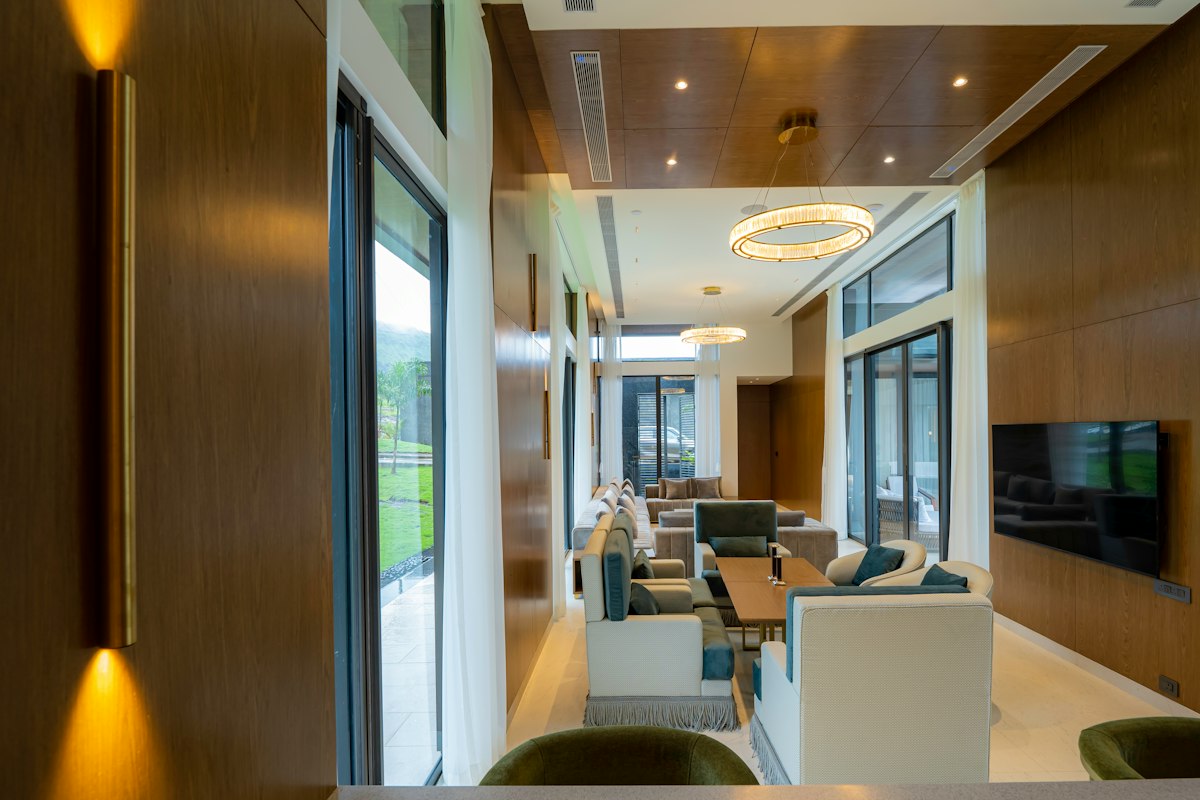
Investing in Seamless Living: Whole House Smart Home Integration Services Explained
Most homeowners begin their journey into automation with a single smart speaker or a handful of Wi-Fi-connected light bulbs. It starts as a convenience, but as more devices enter the home, the experience often becomes fragmented. You find yourself switching between five different apps just to dim the lights, adjust the thermostat, and check the doorbell camera. This isn't true automation; it is simply remote-controlling gadgets from a smartphone.
Whole house smart home integration services exist to solve this exact problem. Instead of a collection of isolated devices, a professional integrator creates a unified ecosystem where every component communicates through a single interface. This approach transforms a house into a responsive environment that anticipates your needs, rather than one that requires constant manual input from a dozen different software platforms.
Related posts
Modernizing Access Management for Rental Properties with Smart Locks
Managing a rental property often feels like a constant battle with logistics, specifically the physical key. Whether it...
Read more →
Motorized Smart Blinds Installation: DIY and Professional Options Explained
Upgrading window treatments to motorized smart blinds brings modern convenience, energy efficiency, and sleek aesthetics to your home....
Read more →
Smart Home Water Leak Detection Systems: Complete Buyer Comparison and Setup Strategies
Water damage remains one of the most common and expensive claims for property owners. A pinhole leak behind...
Read more →
Hiring Home Automation System Contractors: A Strategic Approach to Smart Living
Building a smart home often begins with a single smart bulb or a voice-controlled speaker. However, as your...
Read more →When you opt for professional integration, you are moving away from the limitations of DIY retail products and moving toward enterprise-grade reliability. This article will examine why professional design is the standard for modern luxury homes, the specific systems that benefit most from unification, and the practicalities of choosing a provider to manage your home's digital backbone.
Whether you are building a new residence from the ground up or looking to modernize an existing property, understanding the scope of professional integration is the first step toward a functional, future-proof home. We will cover the infrastructure requirements, the leading platforms in the industry, and the long-term value these services provide to your property and lifestyle.
Key takeaways
- Unified Control: Professional integration replaces multiple apps with a single, intuitive interface for lighting, climate, security, and media.
- Infrastructure First: A robust, hardwired network is the foundation of any reliable smart home, preventing the lag and dropouts common in DIY setups.
- Interoperability: Expert integrators ensure that devices from different manufacturers work together seamlessly using protocols like Zigbee, Z-Wave, or Matter.
- Increased Property Value: A professionally installed and documented smart home system is a tangible asset that appeals to modern buyers.
The Difference Between DIY and Professional Integration
The primary distinction between a DIY setup and professional whole house smart home integration services lies in the architecture. DIY systems are usually "cloud-to-cloud," meaning your light switch sends a signal to a server in another state before it travels back to your hub to turn on the bulb. This introduces latency and creates multiple points of failure. If your internet goes down, your home's intelligence often vanishes with it.
Professional integrators prioritize local control. Systems like Control4, Crestron, or Savant operate primarily on a local processor within your home. This ensures that commands happen instantly and that core functions—like lighting and security—continue to work even if the external internet connection is interrupted. Furthermore, professional services include custom programming that allows for "scenes." For example, a "Goodnight" button can simultaneously lock all doors, lower the shades, set the alarm, and turn off every light in the house.
The Role of the Network Backbone
You cannot build a smart home on a standard ISP-provided router. Professional integration services always begin with the network. This involves installing enterprise-grade access points, managed switches, and dedicated wiring (Category 6 or 6A cables) to high-bandwidth devices like 4K cameras and media servers. By offloading static devices from the Wi-Fi and onto a wired connection, you leave the wireless spectrum open for mobile devices, ensuring a stable experience for everyone in the household.
Core Components of an Integrated Home
What exactly does a whole-house service cover? It is more than just voice assistants. A comprehensive integration strategy touches every functional area of the property to ensure they work in harmony rather than in silos.
Smart Lighting and Automated Shading
Lighting is often the most impactful element of a smart home. Professional integration allows for circadian rhythm lighting, where the color temperature of your bulbs shifts automatically throughout the day to mimic natural sunlight. This can improve sleep quality and mood. When combined with automated shading, the system can lower blinds during the hottest part of the day to reduce cooling costs, then raise them as the sun sets to preserve your view.
Climate Control and Energy Management
Instead of a single smart thermostat, an integrated system uses remote sensors in every room to eliminate hot and cold spots. The system can communicate with your HVAC unit more intelligently, using occupancy sensors to stop heating or cooling rooms that aren't in use. Over time, these efficiencies lead to significant reductions in utility expenses, making the integration service a self-funding investment in many climates.
Integrated Security and Surveillance
Security is most effective when it is part of the larger ecosystem. In a professionally integrated home, a triggered smoke detector doesn't just sound an alarm; it can also turn on all interior lights to help you find your way out and flash the exterior lights to alert emergency responders. Surveillance cameras can be viewed on any TV in the house or via dedicated touchpanels, providing a level of situational awareness that standalone cameras cannot match.
Understanding the Costs and Decision Factors
Pricing for whole house smart home integration services varies widely based on the size of the home and the complexity of the requirements. It is helpful to view these costs in two categories: infrastructure and hardware, and programming and labor. A basic integration for a mid-sized home might start in the low thousands, while comprehensive luxury systems for large estates can reach six figures.
When evaluating a service provider, consider their support model. Unlike a retail purchase, an integrated home requires ongoing maintenance. Many firms offer Remote Service Agreements (RSAs) that allow them to reboot devices or update software from their office, often fixing problems before you even realize they exist. Always ask potential integrators about their documentation process—having a clear map of your home's wiring and IP addresses is essential for future upgrades.
The Design and Installation Process
A professional integration project typically follows a structured timeline to ensure the end result matches the homeowner's lifestyle. It begins with a Discovery Phase, where the integrator interviews the residents to understand their daily routines. Do you host frequent dinner parties? Do you have a dedicated home cinema? These answers dictate the programming logic.
Next comes the Design and Documentation phase. This is where the technical blueprints are created. If the home is under construction, the integrator works with the architect and electrician to ensure all necessary back-boxes and conduits are in place. The Deployment Phase involves the physical installation of hardware and the complex coding required to make the "scenes" work. Finally, the Handover includes training the family on how to use the system and making minor adjustments to the interface based on initial feedback.
FAQs
Can I integrate my existing smart devices into a professional system?
In many cases, yes. Professional platforms like Control4 have drivers for thousands of third-party products, including popular brands like Sonos, Nest, and Lutron. However, an integrator may recommend replacing certain consumer-grade devices if they are known to be unstable or if they do not allow for local control, as these can compromise the reliability of the entire system.
What happens to my smart home if I sell the house?
A professionally integrated home is generally considered a permanent fixture, much like a built-in kitchen or a pool. Because the system is documented and hardwired, it adds to the property's appraisal value. Most integrators can facilitate a "transfer of ownership" service where they wipe your personal data and train the new owners on how to use the system.
Is a professional smart home system secure from hackers?
Professional systems are often more secure than DIY setups because they rely on robust network security and local processing. Integrators use industrial-strength firewalls and VPNs for remote access, rather than relying on the weak security protocols found in many cheap, cloud-based IoT gadgets. Regular software updates provided through a service plan further protect the home from emerging threats.
How long does the installation of a whole house system take?
For an existing home, a basic integration might take three to five days. For a new construction project, the process is spread out over several months, coinciding with the different phases of building. The "rough-in" (wiring) happens when the walls are open, while the "trim-out" (installing devices) and programming happen toward the end of the project.
Will a smart home system still work if the internet goes out?
Yes, if it is a professionally integrated system. Local commands—such as turning on lights, adjusting the volume on a local music server, or using a wall keypad—will continue to function perfectly. You only lose features that require external data, such as streaming music from the cloud or receiving remote notifications on your phone while you are away from home.
Conclusion
Whole house smart home integration services represent the transition from owning a collection of tech toys to living in a truly intelligent environment. By focusing on a strong network foundation, local processing, and a unified user interface, professional integrators remove the friction that often plagues modern technology. While the initial investment is higher than a DIY approach, the resulting reliability, energy efficiency, and ease of use provide a superior long-term experience. If you value your time and want a home that works for you—rather than the other way around—professional integration is the definitive path forward.