Hiring a Residential Interior Decorator: Pricing, Process, and Selection Tips
Staring at hundreds of paint swatches and endless pages of online furniture listings often leads to decision fatigue. Turning a house into a cohesive, comfortable home takes more than purchasing attractive items. It requires a keen eye for scale, lighting, color harmony, and spatial flow.
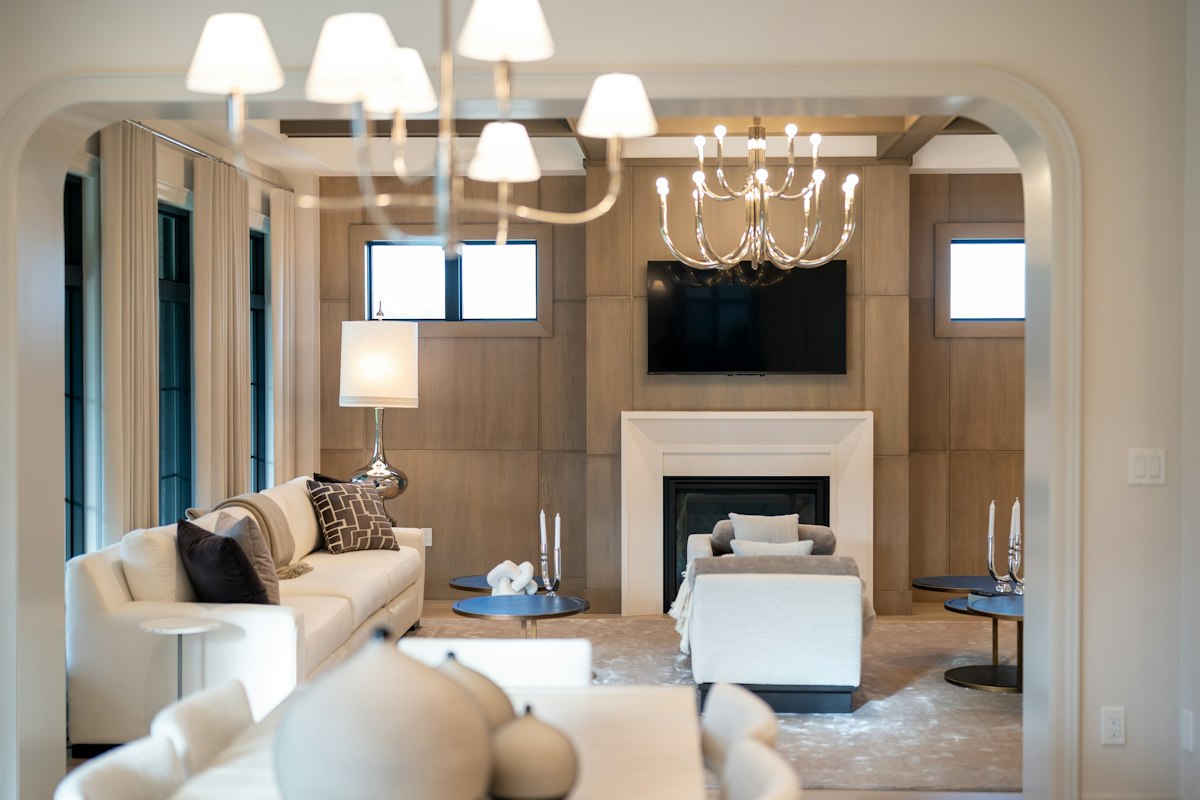
When you decide to hire a residential interior decorator, you are investing in an expert who translates your personal style into a functional living environment. Beyond good taste, an experienced decorator manages procurement, coordinates with suppliers, and prevents costly buying errors that happen when proportions or finishes are mismatched.
Related posts

Selecting the Right Commercial Interior Design Contractor for Your Business
When your business needs a fresh look, a complete overhaul, or a brand-new space, the stakes are incredibly...
Read more →
Crafting Your Vision: The Enduring Appeal of Bespoke Custom Furniture
Stepping into a home filled with mass-produced furniture can often feel like walking into a showroom. Everything is...
Read more →Investing in Premium Ergonomic Home Office Furniture: Elevate Comfort and Performance
Working from home long-term changes how your body reacts to standard desk setups. Lower back stiffness, wrist fatigue,...
Read more →
Tailored Luxury Cinema Spaces: Crafting High-End Home Theater Environments
Designing a private screening room is an exercise in precision engineering and refined architectural taste. A high-performing dedicated...
Read more →Decorating a home involves balancing aesthetic desires with day-to-day practicality and budget limits. A skilled professional acts as both a creative director and project administrator, keeping your project organized and on track from start to finish.
This overview covers standard fee structures, the practical differences between decorating and design services, how to evaluate candidate portfolios, and key questions to ask before signing a contract.
Key Takeaways
- Interior decorators specialize in aesthetic finishing touches such as furnishings, color schemes, textiles, window treatments, and artwork rather than structural alterations.
- Common fee structures include hourly billing rates, flat project fees, and cost-plus percentage markups on trade purchases.
- Preparation speeds up the process—defining your target budget and gathering visual inspiration before your consultation helps narrow down choices quickly.
- Clear contracts protect your budget by outlining revision limits, purchasing policies, trade discount sharing, and estimated delivery schedules.
Decorator vs. Interior Designer: Knowing What You Need
Before beginning your search, clarify whether your project requires an interior decorator or an interior designer. While these terms are frequently swapped in casual conversation, their professional scopes differ significantly.
An interior designer typically handles structural planning, spatial reconfigurations, lighting plans, and drafting building modifications. They often work directly with architects and general contractors on major renovations or new residential builds.
In contrast, a residential interior decorator focuses entirely on the visual aesthetics of an existing space. Decorators step in when the walls, plumbing, and electrical layouts are already set. They curate color palettes, select furniture, procure lighting fixtures, specify custom window treatments, and arrange accessories. If your goal is to refresh a tired living room, furnish a newly purchased house, or pull together a bedroom layout, a decorator is precisely the specialist you need.
Understanding Pricing and Fee Structures
Decorating fees vary depending on geographic location, project scope, and the professional's level of industry experience. Understanding how decorators structure their charges helps you set a realistic budget before initiating conversations.
Hourly Billing Rates
Many decorators charge an hourly rate for design time, site visits, shopping trips, and administrative communication. Rates typically range from $75 to $200 or more per hour. This model works best for smaller spaces, quick room refreshes, or advisory consultations where the overall timeline remains short.
Flat Project Fees
For comprehensive multi-room projects, a decorator may offer a flat fee based on the estimated workload. The decorator assesses the project scope during an initial consultation and presents a comprehensive quote covering all design phases. Flat fees provide predictable costs, though scope changes typically incur extra hourly charges.
Cost-Plus and Purchasing Markups
Decorators frequently pass on trade discounts to clients while applying a small administrative markup, usually between 10% and 30%. Alternatively, some retain trade discounts entirely as part of their compensation model while charging clients retail prices. Always ask how trade discounts and purchasing commissions are structured prior to signing an agreement.
Initial Consultation Fees
Expect to pay a fixed fee for the initial in-home meeting, usually covering one to two hours of time. During this session, the decorator reviews your space, discusses goals, assesses your lifestyle needs, and takes initial measurements. This fee compensates the professional for their preliminary analysis and advice, even if you decide not to move forward with a full contract.
How to Select the Right Residential Interior Decorator
Finding a decorator whose aesthetic instincts align with your personal preferences requires a deliberate selection process. Follow these practical steps to evaluate potential candidates.
Review Portfolios for Style Versatility
Examine online portfolios, social media galleries, and previous client case studies. Look for consistent quality across lighting choice, spatial proportions, and material pairings. Pay attention to whether the decorator forces a single signatures style onto every client or successfully adapts to varied architectural styles and personal tastes.
Evaluate Communication and Organization
During preliminary conversations, observe how well the decorator listens to your functional requirements. Do they ask how your family uses the room daily? Do they address pet-friendly fabrics or storage needs? A great decorator balances beauty with practical daily utility and communicates project updates clearly.
Verify Trade Connections and Procurement Workflow
Inquire about how the decorator manages order tracking, damaged goods returns, and custom fabrications. Established decorators maintain reliable networks of custom upholsterers, drapery workrooms, and white-glove delivery vendors, ensuring your furnishings arrive safely and assemble properly.
Essential Questions to Ask During Your Consultation
Preparing specific questions helps establish transparency early in the relationship. Consider asking the following during your initial meetings:
- How do you handle budget overruns? Ask what measures are taken if preferred items exceed the initial spending limit and how substitute options are presented.
- Can you integrate existing furniture pieces? Clarify whether the decorator is open to incorporating family heirlooms or current furniture into the new design scheme.
- What is the typical timeline for procurement and delivery? Understand current supply chain lead times for custom upholstery, imported rugs, or tailored window coverings.
- How many design revisions are included? Confirm how many floor plan adjustments or mood board iterations are covered before additional billing applies.
Frequently Asked Questions
How much does it cost to hire a residential interior decorator?
Total costs depend heavily on project size, furniture quality, and billing structure. Design services alone can range from $1,000 to $5,000+ per room, exclusive of actual furniture, fabric, paint, and shipping expenses.
How long does a typical home decorating project take?
A single-room update usually takes 6 to 12 weeks from initial concept to final staging. Full-home furnishing projects can take anywhere from 3 to 9 months, primarily driven by custom furniture manufacturing schedules and shipping timelines.
Can a decorator work with my existing furniture?
Yes. Skilled decorators frequently weave existing quality items, art collections, or vintage pieces into a updated design scheme, recontextualizing them through fresh wall paint, modern accents, or reupholstery.
What should I prepare before my first meeting with a decorator?
Collect digital images or physical clippings of spaces you love, note specific colors or textures you dislike, list functional room requirements, and establish a clear upper boundary for your total budget.
Conclusion
Partnering with a professional residential interior decorator eliminates guesswork, saves personal time, and elevates the comfort and value of your home. By understanding fee structures, reviewing portfolios thoughtfully, and establishing open communication from the first consultation, you can confidently select an expert who turns your vision into a practical, beautiful reality.