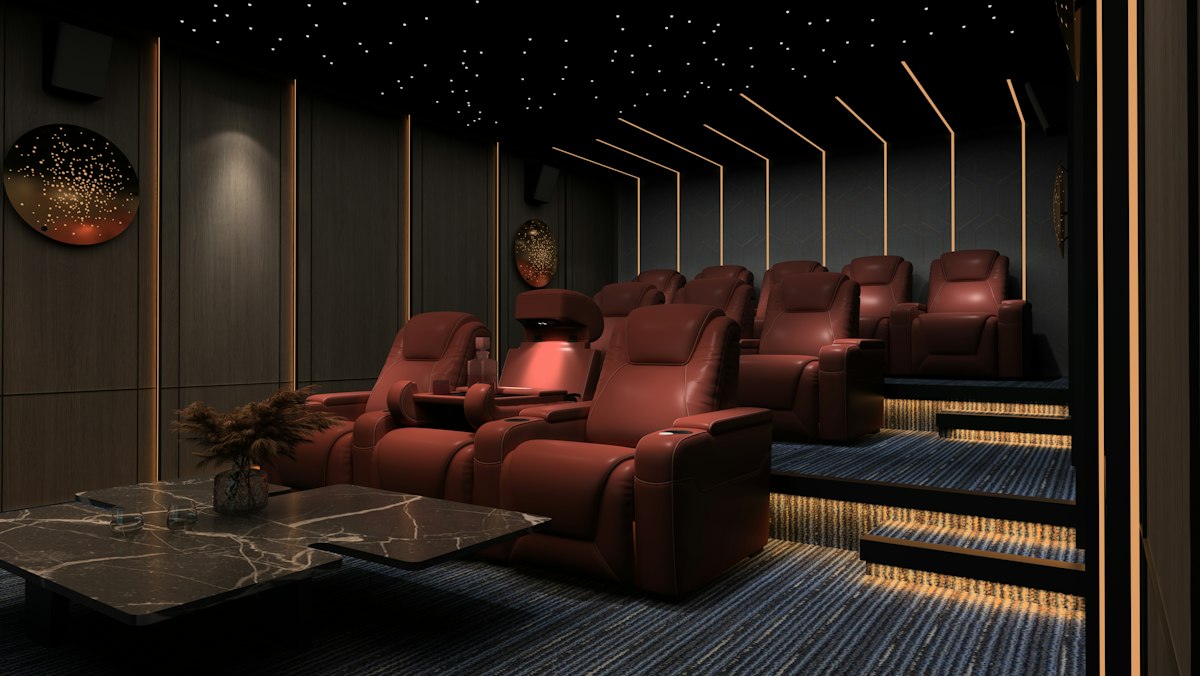
Tailored Luxury Cinema Spaces: Crafting High-End Home Theater Environments
Designing a private screening room is an exercise in precision engineering and refined architectural taste. A high-performing dedicated media space must deliver reference-grade audio, pristine optics, and complete physical comfort without looking like a chaotic technical studio. Achieving this level of performance requires moving far beyond off-the-shelf equipment and basic decor choices.
Many homeowners assume that purchasing a flagship projector and high-end speakers guarantees a commercial-quality room. In reality, room physics, sound propagation, and visual angles play a massive role in overall performance. Without structural isolation and acoustic management, sound bleeds into adjacent living spaces, and flutter echo degrades vocal clarity during film dialogue.
Related posts

Selecting the Right Commercial Interior Design Contractor for Your Business
When your business needs a fresh look, a complete overhaul, or a brand-new space, the stakes are incredibly...
Read more →
Crafting Your Vision: The Enduring Appeal of Bespoke Custom Furniture
Stepping into a home filled with mass-produced furniture can often feel like walking into a showroom. Everything is...
Read more →Investing in Premium Ergonomic Home Office Furniture: Elevate Comfort and Performance
Working from home long-term changes how your body reacts to standard desk setups. Lower back stiffness, wrist fatigue,...
Read more →
Tailored Elegance: How Custom Window Treatments and Blinds Transform Your Living Space
Standard store-bought blinds often leave homeowners feeling disappointed. You purchase a box off the shelf, bring it home,...
Read more →What does it take to build a bespoke home screening room that rivals premier commercial venues? This deep breakdown explores sound engineering, display choices, seating arrangements, automation systems, and realistic investment expectations.
Key takeaways
- Acoustic isolation prevents sound leakage and establishes low noise floors necessary for dynamic audio performance.
- Visual geometry relies on careful screen sizing, aspect ratios, and seating distances aligned with cinema industry standards.
- Architectural integration conceals wiring, speakers, and acoustic treatments behind custom millwork and acoustic fabric.
- Unified smart automation consolidates lighting, HVAC, and audio-video equipment into effortless custom scenes.
Acoustic Isolation and Architectural Sound Treatment
High-end cinema design begins with controlling sound transmission and interior room acoustics. Soundproofing—or acoustic isolation—keeps ambient exterior noise out of the room while preventing powerful low-frequency rumble from escaping into nearby bedrooms or living spaces. This process involves constructing double-stud walls, installing resilient channel systems, applying dampening compounds, and hanging heavy solid-core acoustic doors.
Once sound isolation is achieved, room treatment shapes how audio behaves inside the space. Reflective surfaces like bare drywall, glass, and hardwood cause harsh audio reflections and muddy dialog clarity. High-end designs incorporate strategic combinations of sound absorbers, bass traps, and quadratic residue diffusers. Integrators frequently wrap these acoustic panels in acoustically transparent stretch fabric, seamlessly blending performance elements into the architectural design of the room.
Display Technologies and Viewing Geometry
Choosing the right display setup requires balancing room dimensions, ambient light levels, and media choices. Native 4K ultra-short-throw or long-throw laser projectors paired with micro-perforated projection screens remain the classic choice for cinematic scope. A micro-perforated screen allows center-channel speakers to sit directly behind the image, ensuring dialogue originates straight from the actors on screen rather than above or below them.
For rooms with challenging layout constraints or higher ambient light levels, direct-view microLED displays offer an incredible alternative. MicroLED tiles deliver perfect black levels, massive contrast ratios, and intense brightness without requiring a completely blacked-out room. Regardless of display type, calculating proper viewing angles—typically target angles between 36 to 45 degrees—ensures complete visual engagement without neck strain during long feature films.
Spatial Planning, Custom Seating, and Ergonomics
Seating configuration directly impacts both comfort and audio distribution. Riser platforms ensure second- and third-row viewers enjoy unobstructed sightlines to the screen bottom. Designing effective risers requires calculating eye level height, projector elevation, and screen placement simultaneously. Installing low-voltage step lighting along riser edges adds safety without interrupting screen visibility during playback.
Custom theater seating goes far beyond traditional leather recliners. Premier manufacturers offer custom ergonomics, motorized headrests, integrated lumbar support, and tactile transducers built into the frame. Tactile transducers deliver low-frequency vibrations directly to the chair, allowing viewers to feel deep bass impact without raising room volume to overwhelming levels. Upholstery choices like velvet, soft Italian leather, or performance microfibers should also complement the room's acoustic profile.
Smart Automation and Climate Integration
Managing multiple source devices, multi-channel surround processors, lighting zones, and motorized shades requires intuitive home automation. High-end installations rely on integrated processors such as Crestron, Savant, or Control4. A single button press on a dedicated touch panel or custom keypad can lower motorized blackout shades, dim wall sconces, activate the laser projector, and set the surround sound processor to reference level.
Climate control is another often overlooked factor in high-density media rooms. Modern projectors, amplifiers, and multiple human bodies generate significant thermal energy. Dedicated luxury theaters require whisper-quiet HVAC designs featuring isolated ductwork, oversized silencer baffles, and low-velocity supply grilles to maintain steady temperatures without introducing background fan noise into the audio field.
Investment Tiers and Budget Considerations
Establishing realistic expectations for custom luxury home theater design helps prevent scope creep and technical compromises. While entry-level dedicated rooms start around lower budgets, high-end bespoke projects frequently range from $150,000 to well over $500,000 depending on structural alterations, interior finishes, and audio-visual specifications.
- High-End Performance ($50,000 – $120,000): Dedicated acoustic treatments, high-gain fixed frame screen, 4K laser projector, 7.2.4 Dolby Atmos audio, and custom motorized leather seating for up to six people.
- Ultra-Luxury Bespoke ($120,000 – $300,000+): Full architectural isolation (room-within-a-room construction), micro-perforated woven screens, reference-grade amplifiers with 9.4.6 Atmos speaker arrays, bespoke interior millwork, integrated HVAC silencers, and complete smart control integration.
- Commercial-Grade Estate Venues ($300,000+): MicroLED video walls, DCI-compliant projection systems for first-run studio films, custom acoustic architecture, and full interior decor design.
Frequently asked questions
What is the minimum recommended room size for a dedicated home cinema?
While small media rooms can fit into spaces roughly 12 by 15 feet, an ideal custom theater space usually starts around 15 by 20 feet with high ceilings. Generous dimensions accommodate multi-row seating risers, proper speaker placement away from boundary walls, and deep acoustic treatment layers.
How much does high-end soundproofing add to a project?
Comprehensive room isolation typically adds $15,000 to $40,000 to the construction budget. This includes specialized materials like mass-loaded vinyl, double drywall with acoustic dampening compounds, isolated subfloors, and sound-rated HVAC mufflers.
Should I choose a laser projector or a microLED video wall?
Laser projectors paired with acoustic screens remain ideal for traditional cinematic warmth and hiding center speakers behind the image. MicroLED walls work exceptionally well in rooms where complete light control is impossible or where extreme contrast and HDR brightness are prioritized.
What audio format offers the most immersive sound experience?
Object-based audio formats like Dolby Atmos and DTS:X provide the standard for modern immersion. These formats place sound objects anywhere in three-dimensional space, including overhead channels, creating an engulfing soundscape tailored to your exact room dimensions.
How early in house construction should theater design begin?
Designing the theater during early architectural framing is ideal. Planning early allows builders to allocate correct ceiling heights, run dedicated electrical circuits, plan structural isolation, and route heavy conduit before drywalls close.
Conclusion
Building an exceptional custom home theater requires blending acoustic physics, high-grade display technology, and tailored interior architecture into a single seamless environment. By focusing on fundamental structural isolation and acoustic treatment before selecting equipment, you ensure your space yields reference-quality audio and pristine visuals. Engaging experienced AV integrators and interior designers early in the process turns a standard media room into a remarkable home entertainment space that delivers years of cinematic enjoyment.