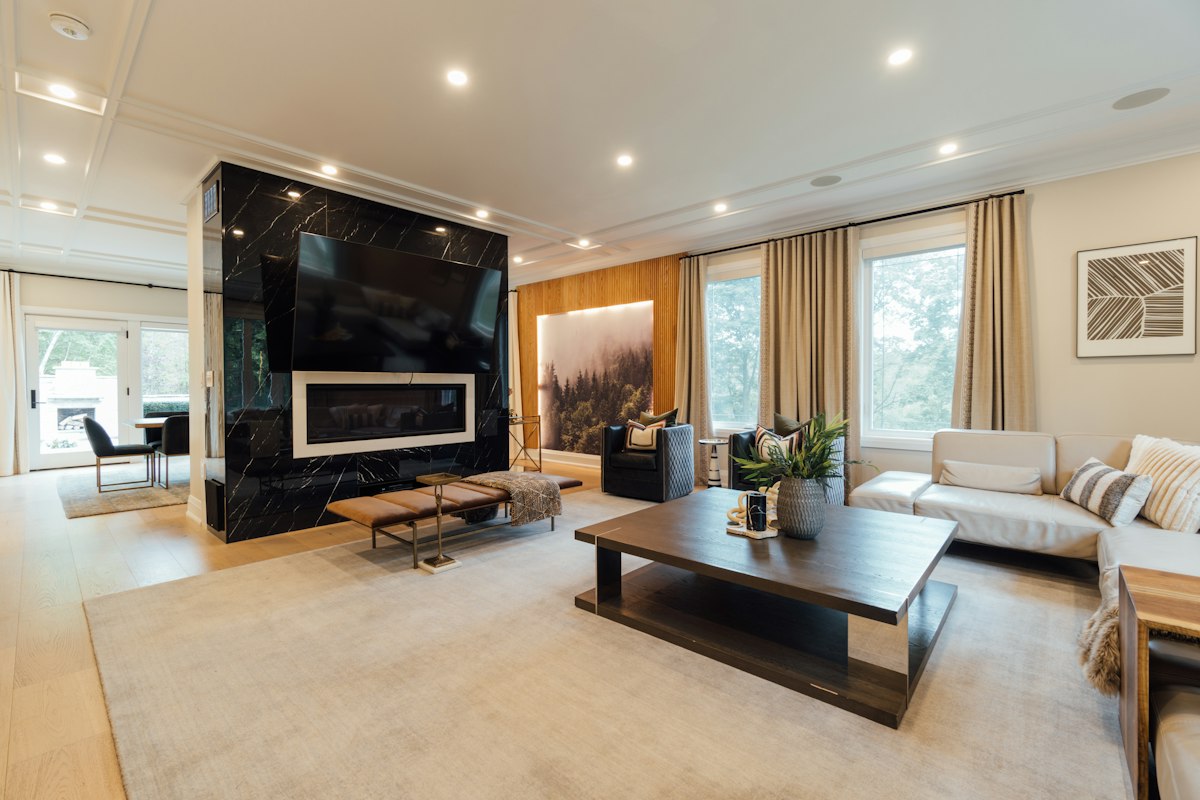
Automated Lighting System Installation Cost: A Realistic Budgeting Framework
Deciding to upgrade your home with a sophisticated lighting setup is an exciting move toward modern living, but the first question every homeowner asks is about the bottom line. You are likely looking for more than just a smart bulb in a socket; you want a cohesive environment where lights respond to your presence, the time of day, or even your mood. Understanding the automated lighting system installation cost requires looking past the hardware and into the complexities of electrical infrastructure and professional labor.
The financial commitment varies wildly based on whether you are retrofitting an existing property or building a new one from the ground up. Small-scale wireless projects can be relatively affordable, while comprehensive, hard-wired systems for luxury estates can reach the price of a mid-sized sedan. This disparity often leaves people confused about what they are actually paying for and where the real value lies.
Related posts
Mastering Your Home's Comfort: Understanding Automated Climate Control Systems
Imagine walking into a perfectly comfortable home every single day, regardless of the scorching summer heat or the...
Read more →Modernizing Access Management for Rental Properties with Smart Locks
Managing a rental property often feels like a constant battle with logistics, specifically the physical key. Whether it...
Read more →
Motorized Smart Blinds Installation: DIY and Professional Options Explained
Upgrading window treatments to motorized smart blinds brings modern convenience, energy efficiency, and sleek aesthetics to your home....
Read more →
Smart Home Water Leak Detection Systems: Complete Buyer Comparison and Setup Strategies
Water damage remains one of the most common and expensive claims for property owners. A pinhole leak behind...
Read more →In this analysis, we will break down the specific components that drive prices up or down. We will examine the differences between DIY-friendly wireless options and professional-grade wired systems, the hidden costs of labor, and the long-term return on investment regarding energy efficiency. By the end, you will have a clear picture of how to budget for your specific needs without overpaying for features you won't use.
Key takeaways
- Wireless systems are the most cost-effective for retrofitting, typically ranging from $500 to $3,000 for a standard home.
- Hard-wired installations offer the highest reliability but often start at $10,000 and can exceed $50,000 for large-scale automation.
- Professional labor usually accounts for 30% to 50% of the total project cost, especially when involving licensed electricians and system integrators.
- Smart switches and dimmers are generally a better long-term investment than smart bulbs for whole-home automation.
The Primary Cost Drivers of Lighting Automation
When you start shopping for a system, the sheer variety of hardware can be overwhelming. The most significant factor in your total spend is the infrastructure type. Wireless systems, such as those using Zigbee, Z-Wave, or Wi-Fi, utilize your existing electrical wiring. This significantly reduces labor costs because you are simply replacing standard switches with smart versions. For a typical three-bedroom home, you might spend between $1,500 and $4,000 for a high-quality wireless setup including a central hub and various dimmers.
On the other end of the spectrum are centralized, hard-wired systems. These are common in high-end new constructions or massive renovations. In these setups, all lighting loads are wired back to a central panel rather than to individual wall switches. This allows for incredibly clean aesthetics with minimal wall clutter, but the specialized wiring and hardware (like those from Lutron or Control4) carry a premium price tag. Expect to pay between $50 and $150 per "leg" or zone of lighting just for the hardware, before labor is even calculated.
Hardware Component Breakdown
The hardware is the most visible part of your investment. Here is a general breakdown of what individual components might cost in a professional-grade environment:
- Central Hub or Controller: $100 to $1,000+. This is the brain of the system. Entry-level hubs are cheap, but enterprise-grade controllers that handle hundreds of devices cost significantly more.
- Smart Dimmers and Switches: $40 to $200 per unit. Unlike cheap $15 smart plugs, these are designed to last decades and provide smooth dimming curves.
- Occupancy and Vacancy Sensors: $50 to $150 each. These are essential for true automation, allowing lights to turn off when a room is empty.
- Keypads: $150 to $500 each. In high-end systems, these replace banks of switches with a single, elegant interface that can trigger complex "scenes."
Labor and Professional Installation Fees
Unless you are a seasoned DIY enthusiast with a deep understanding of electrical codes, you will need a professional. The automated lighting system installation cost is heavily influenced by the hourly rates of licensed electricians and system integrators. Electricians handle the high-voltage wiring and physical installation of switches, usually charging between $75 and $150 per hour.
System integrators are the specialists who program the logic of the system. They ensure that when you press the "Goodnight" button, the shades close, the doors lock, and the lights fade to black over 30 seconds. Programming fees are often billed as a flat project fee or an hourly rate similar to an electrician. For a whole-home system, programming alone can take 10 to 40 hours of work, depending on the complexity of your requests.
Do not underestimate the cost of system design. A professional will map out your home's signal strength to ensure no "dead zones" exist where lights fail to respond. This upfront planning prevents the frustration of a system that works only 90% of the time. In the world of automation, that last 10% of reliability is what you are truly paying for.
Ongoing Costs and Long-Term Value
While the initial outlay is the biggest hurdle, you should also consider the long-term financial impact. One of the primary benefits of automation is energy management. By utilizing dimming schedules and occupancy sensors, many homeowners see a 10% to 20% reduction in their monthly lighting bill. Over a decade, this can offset a portion of the initial installation cost.
Maintenance is another factor. High-end systems are remarkably stable, but software updates and occasional hardware failures are part of the reality. Some integration firms offer service contracts, which might cost a few hundred dollars a year, to ensure your system remains compatible with the latest mobile devices and security protocols. This is an optional but recommended expense for those with complex, whole-home ecosystems.
Finally, there is the resale value. While it is difficult to pin an exact dollar amount on how much smart lighting adds to a home's price, it undoubtedly increases marketability. In the modern real estate market, a home that is "pre-wired" or features a professional lighting system stands out to tech-savvy buyers who view these upgrades as essential modern conveniences rather than luxury add-ons.
Frequently Asked Questions
Can I install an automated lighting system myself to save money?
Yes, DIY systems based on Wi-Fi or Zigbee are accessible and can save you thousands in labor. However, these systems often lack the rock-solid reliability of professional installations and can struggle if your home network is not robust. For anything involving high-voltage wiring or complex panel-based systems, hiring a professional is a safety requirement.
How much does it cost to automate a single room?
Automating a single room, like a home theater or a primary bedroom, typically costs between $300 and $1,200. This usually includes a few smart dimmers, a sensor, and a localized controller or hub. It is an excellent way to test the technology before committing to a whole-home project.
What is the difference between smart bulbs and smart switches?
Smart bulbs are cheaper upfront and offer color-changing features, but they become useless if someone flips the physical wall switch to "off." Smart switches are more expensive and require installation, but they keep the "smart" functionality active regardless of the switch position, making them the superior choice for permanent home automation.
Does a smart lighting system require a monthly subscription?
Most professional systems do not require a monthly fee for basic local operation. However, some brands charge for remote access (controlling lights when you are away from home) or for advanced cloud integrations. Always check the manufacturer's terms before purchasing to avoid recurring fees.
How long does the installation process typically take?
A wireless retrofit for a standard home can be completed in one to two days. A comprehensive, hard-wired system for a new construction project is integrated into the entire build timeline, with the final programming and "trim-out" usually taking three to five days once the walls are finished.
Conclusion
The automated lighting system installation cost is a variable figure that depends heavily on your expectations for reliability, aesthetics, and scale. While you can start small with a few hundred dollars in wireless components, a truly seamless, professional experience requires a more significant investment in both quality hardware and expert labor. By focusing on smart switches over bulbs and choosing a protocol that fits your home's structure, you can create a system that provides convenience and energy savings for years to come. Start with a clear plan, prioritize the rooms you use most, and always ensure your electrical foundation is handled by a professional.